
Paver sealing for Gibsonton homes
Paver Sealing in Gibsonton, FL
Gibsonton pavers, from the Alafia River to US 41, can look fresh again, so call (941) 241-5093 for a free estimate.
- Brings out deeper paver color
- Fresh joint sand helps lock pavers in place
- Gives weeds less room to grow
- Makes the surface easier to keep clean
- Free estimate, no obligation
Request a Free Estimate
Free, no obligation.
Fast, careful paver sealing in Gibsonton
A free estimate from a local contractor is the first step to paver sealing in Gibsonton. Driveways, patios, walkways and pool decks are all included, from US 41 to the streets near the Alafia River. Ring (941) 241-5093 and expect word back inside 1 business day, usually much sooner.
You may be looking at a drive that has gone gray, with weeds in the joints and orange streaks where the sprinklers land. Once the pavers are washed, re-sanded and sealed, they can look like one clean, even color. To talk it through first, ask for a free estimate and describe the surface.
Why hire a local paver sealing contractor in Gibsonton?
Gibsonton homeowners often choose a local paver contractor because river flooding, well water and bay weather all affect a job. To hear how that applies to your street, ask for a free estimate.
A free look at the pavers
A contractor checks your Gibsonton pavers at no charge and names a price. You decide afterward, with no obligation.
A range to hold quotes against
Southwest Florida companies commonly publish $1.99 to $3.21 per square foot to clean, sand and seal. Bigger areas get the lower rate.
Rust marks handled first
Well irrigation can leave orange streaks. A contractor plans for them before sealing, so the coat does not trap them, and points out where to aim the sprinklers.
Finish chosen by you
Matte hides scuffs better on a busy drive. A wet look adds shine but shows scuffs sooner. The choice is yours, and the contractor will explain each option.
Get Your Free Estimate in Gibsonton
Tell us about your pavers in Gibsonton.
Free, no obligation
What paver problems show up most in Gibsonton?
Orange streaks from well sprinklers
A Brandon paver company says many Hillsborough County homes water their lawns from a private well. Well water often carries iron, and each sprinkler cycle leaves a little on the pavers. Over months it builds into orange streaks that follow the spray pattern. The marks often look like fans or rows of dots, and they return if the sprinklers keep hitting the same spot. They are easiest to see on light-colored pavers. Aiming heads away from the pavers helps once the stains are treated. Look for streaks in the line of the spray, since that shows where the water lands.
River moisture along the Alafia
The Alafia River empties at Gibsonton, and its Wikipedia page says it floods moderately to highly about twice a year, with many nearby homes on stilts. Pavers close to the river or to low ground can stay wet longer, and shaded edges stay wet longest. Damp pavers grow algae and mildew faster, and joint sand can wash out. After a wet spell, a contractor may find green film on the low side of a drive while the high side is clean. That is a clue about where the water sits. After high water, the surface may need a wash before any sand goes back in.
Joint sand lost to rain
The National Weather Service sets the rainy season for West Central Florida at May 25 to October 10, with heavy rain and seasonal river flooding as hazards in July to early September. Sandy soil like Florida's state soil lets water drain fast. Joint sand follows the water, and open joints invite weeds. Ants like those gaps too, and they push sand out as they dig. A drive can lose a little sand every storm until the joints are shallow and loose, and then the pavers start to rock underfoot. Once a joint opens, each storm can scoop more sand out of it.
Heavy loads on a drive
Gibsonton has long been home to showmen and their trailers, and a drive here may carry an RV, boat or work trailer. Heavy, slow-moving loads press on pavers and can leave dips and tire marks, especially where a trailer sits for weeks. A contractor checks for sunken spots before any sealer goes on, since sealer would only hold a dip in place. Resetting a few blocks first is cheaper than redoing a whole coat. That is also why a contractor runs a hand along the drive, feeling for blocks that rock.
Old sealer of unknown type
A home bought from a prior owner may have a coat nobody can name, and the paper trail is often gone. A solvent-based coat rules out water-based sealer on top, so the contractor has to identify it. A patchy or peeling surface, or a coat that looks cloudy in places, is often a clue that an older product is still there. If you find an old receipt or a product name, share it at the first visit. A contractor can usually tell by touch and by how water behaves on the surface.
Which parts of Gibsonton see the most paver wear?
The most wear tends to show where water and shade meet, such as streets near the Alafia River and low corners of a lot. Gibsonton sits at the mouth of the river, with Hillsborough Bay on its west edge, so the ground near the water is low. Adamsville lies in the south and the East Tampa area is north of the river. When you ask for a free estimate, say if you live north or south of the river.
Gibsonton is also a family area, with a median age of 33.3 and 42.8 percent of households raising children in 2020, based on Census figures. That can mean driveways take bikes, basketball hoops and extra cars. Scuffs hide better on matte than on a wet look. To pick one that fits your routine, call (941) 241-5093.
U.S. 41 runs through the center of the community and Interstate 75 crosses the east side, with exits at 246 and 250. If a work vehicle or trailer parks on your drive, the contractor can plan around it on the day of the job. For a free look at your drive, ask for a free estimate and mention what parks on it.
What does paver sealing cost in Gibsonton?
Local companies publish $1.99 to $3.21 per square foot in Southwest Florida to clean, sand and seal. One Manatee County company posts three tiers by size, with the lowest rate on jobs above 2,500 square feet. In Gibsonton, area, old sealer, lost sand and rust stains move your price inside that range. To put a number on your drive and patio, ask for a free estimate, and the estimate is free.
Some things add time, such as orange streaks that need a separate treatment and a river-side lot that needs extra drying. A drive with dips has to be reset first, and tight access to a back patio adds time. Phone (941) 241-5093, and the contractor can name the extras that apply to your drive before the first visit ends.
| Paved area | Typical example | Clean, sand and seal |
|---|---|---|
| 300 sq ft | Small patio or walkway | $597 to $963 |
| 600 sq ft | Two car driveway | $1,194 to $1,926 |
| 1,000 sq ft | Large driveway or pool deck | $1,990 to $3,210 |
| 1,500 sq ft | Driveway plus pool deck | $2,985 to $4,815 |
Math based on the $1.99 to $3.21 per square foot that Southwest Florida paver companies publish. Your contractor sets the actual price after seeing the surface. Repairs, leveling and stripping failed sealer are usually extra.
How does a paver sealing job work in Gibsonton?
Look the property over
The contractor walks the whole yard, then the drive, patio and walks and notes shade, low spots, drainage direction and loose blocks. Orange marks from sprinklers get flagged here. If an old coat is present, its type matters, because a solvent-based coat rules out water-based sealer on top. You hear a price before any work starts, and you can ask questions at the curb. Bring up past flooding, low spots and any trailer that parks on the drive. Photos of the stains and low spots help the contractor price the job fairly.
Treat rust and wash the surface
Rust marks do not come out with soap and water, and pressure alone mostly spreads them, according to a Brandon paver company. They get a remover made for the surface, with a test on a hidden spot first. Then the wash lifts algae, dirt and weeds. Care is taken near plants and doors, and runoff is directed away from the house where it can be. Plan for the wash to take much of the first day. A rinse at the end clears any loosened silt or cleaner from the joints and edges.
Put the sand back
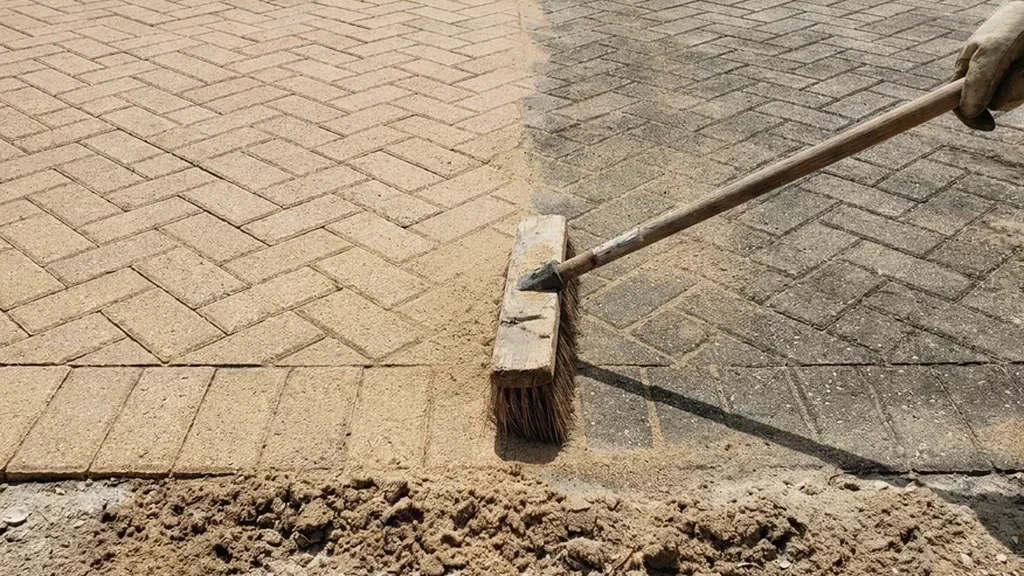
Washing removes joint sand, so the joints get refilled before any sealer goes on, which keeps the blocks locked together and the weeds out. On sandy ground, open joints let soil in and weeds follow. The sand is worked in and swept clean, and any extra is removed so it does not sit on top of the pavers. Loose or sunken blocks are reset first, with fresh bedding sand under them. Expect this step to take longer if the joints have been open a long time. Sand goes in dry and is swept in until the joints stop taking more.
Dry time
Sealer needs a dry surface, and a Sarasota company says that often means one to two days after washing. Shade, bay air and low ground can slow drying, and the rainy season brings daily storms. A careful contractor checks the forecast and the surface by hand, and may start the seal in the morning when the dew has lifted. A damp corner can hold up the whole job, since sealer over moisture protects less. Low ground near the river may need an extra day. A late-day storm can undo a morning's drying, so the schedule stays flexible.
Seal and cure
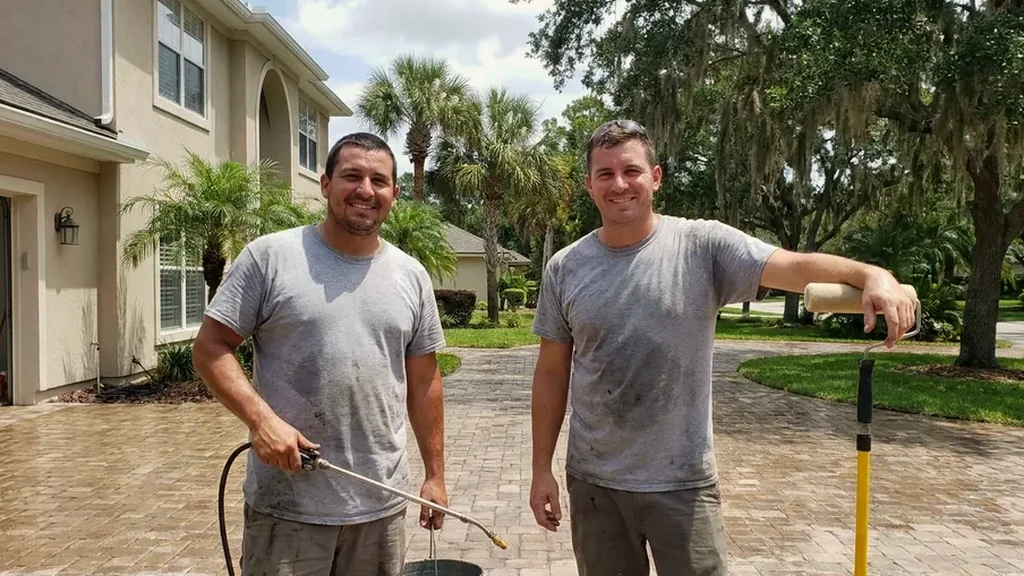
The coat goes on in matte or wet look, thin and even. A paver maker's guide says a sprayer helps coat evenly, then a dry roller soaks up excess. Expect a company to quote between two and five years before the next coat. Keep cars, pets and sprinklers off until the contractor says it has cured. Ask for a written note of the product and finish so the next coat matches. A short walk-through at the end covers edges, steps and any spot you flagged.
Complete paver services in Gibsonton
A Gibsonton job runs wash, re-sand, dry, seal. Rust treatment comes first when streaks are present, since sealer would lock them in. Each stage has its own dry time, so the job can span a day or two, and skipping a stage shows later as haze or peeling. To hear how that fits your lot, call (941) 241-5093.
Surfaces include driveways, patios, walks and pool decks. A drive takes tires, trailers and summer heat. A pool deck gets bare feet and splashes, so ask about a finish that grips. Tell the contractor about each one when you ask for a free estimate.
Sealer choice starts with what is on the pavers now. A water-based product will not go over a solvent-based one. After that comes finish, with matte hiding scuffs and a wet look deepening color, though a wet look can suit a patio that sees less traffic. Call (941) 241-5093 to talk about the right one for your drive.
Timing follows the weather. The rainy season for West Central Florida runs May 25 to October 10, and storms can move a date. River flooding is a seasonal hazard too, so low lots may dry later than high ones. For a date that fits, ask for a free estimate and ask what is open.
Questions to ask before you hire
- What happens if my sprinklers come on while the sealer is still wet?
- How do you keep sealer from pooling in the low spots of my patio?
- Do you wash with hot water or cold water, and does it change the result?
- Can I have the driveway sealed now and the pool deck later at the same rate?
- Is there a minimum charge for a small walkway or front entry?
- Will the sealed surface feel hotter under bare feet in the afternoon sun?
- Can pavers that were laid less than a year ago be sealed yet?
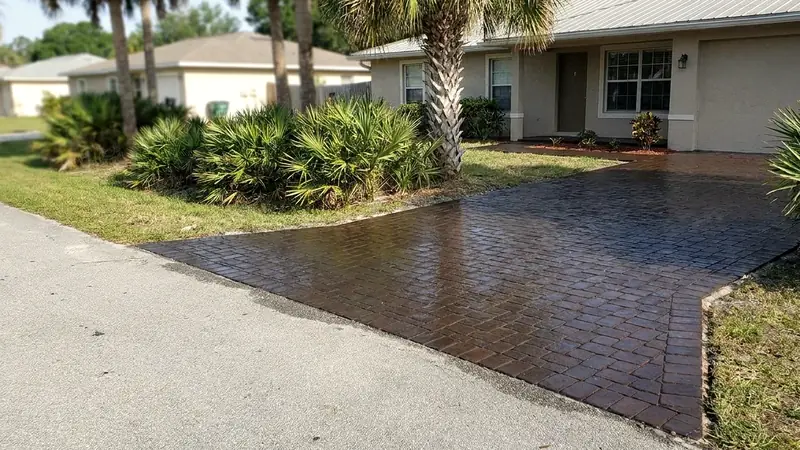
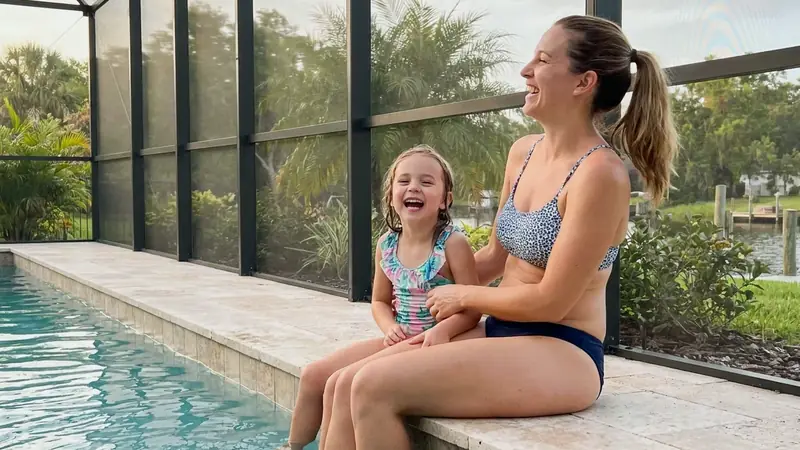
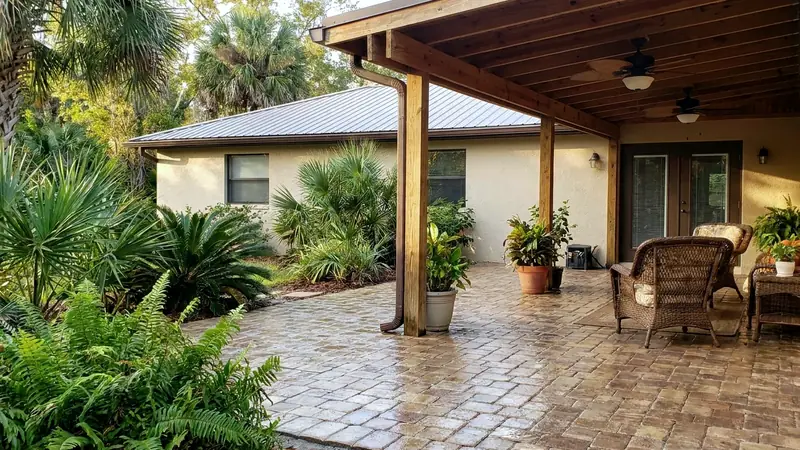
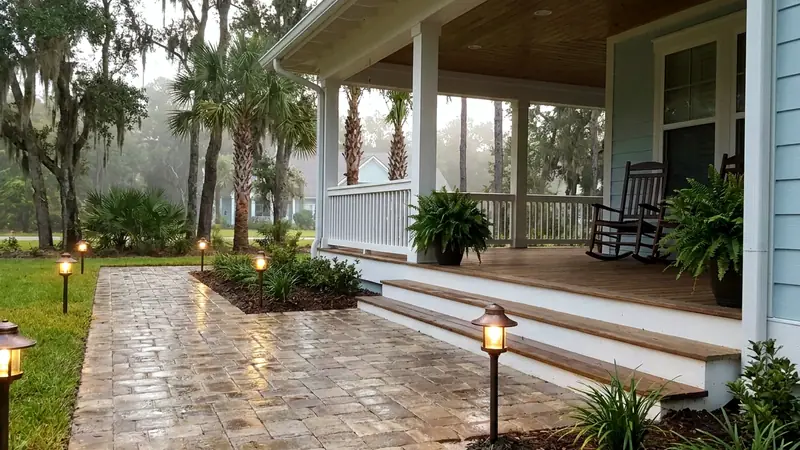
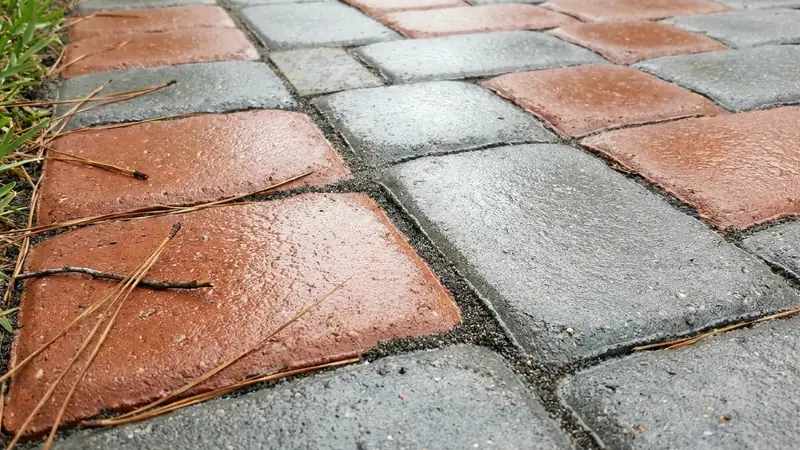
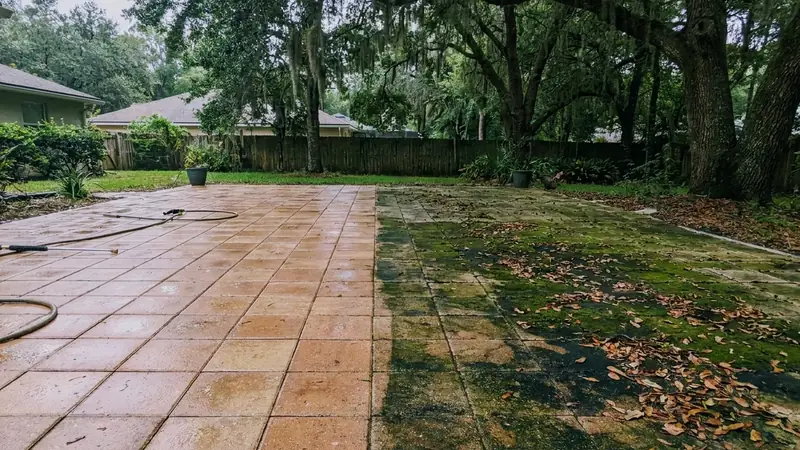
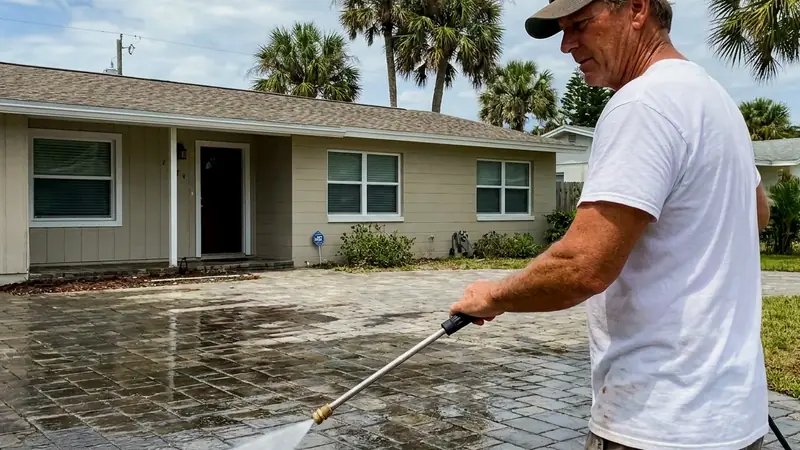
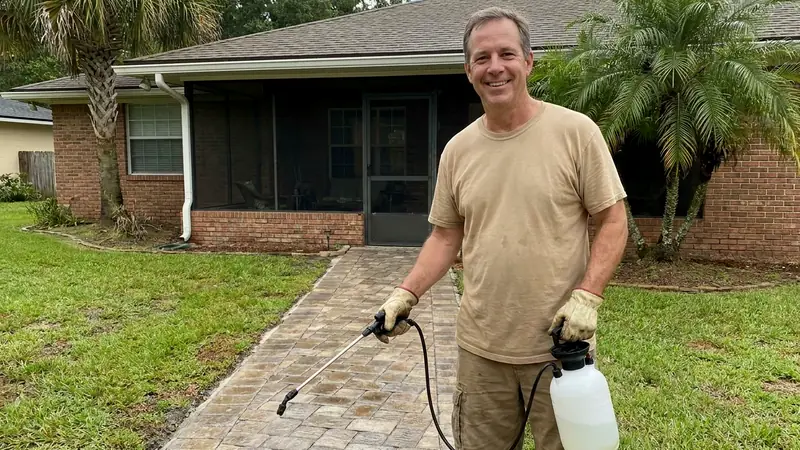
What do sealed pavers look like around Gibsonton?
Why local matters in Gibsonton
A contractor who works Gibsonton knows to ask whether your yard runs on a well. That one answer decides the rust plan, and it also tells the contractor where to look for stains. A contractor from out of town may skip that question. If you want a contractor who works the Alafia River side of the county, call (941) 241-5093.
Experience on this side of the bay covers the river too. The Alafia River floods about twice a year, and Hillsborough Bay sits on the west edge. Low lots can stay damp, which slows drying and helps algae grow. Ask how low, damp lots are handled when you ask for a free estimate.
Many households here have children, so the drive is in daily use. A contractor can time the job so you can still get out. Plan for a day or two with the drive closed, and sooner if the weather cooperates. If you want a schedule for your own lot, ask for a free estimate and say what you need to keep moving.
Why does Gibsonton's carnival history come up with paver work?
It comes up because the place is known for it. Gibsonton was a winter home for carnival and circus people, with zoning that let residents keep trailers on their lawns. The International Independent Showmen's Association has over 4,500 members. If you live near the club grounds and want your drive looked at, ask for a free estimate.
The IISA museum holds over 52,000 square feet of carnival history, including an early Ferris wheel. James Gibson Sr. founded the town in 1884 at the mouth of the Alafia River, and a school followed in 1888. Near any of these Gibsonton places, call (941) 241-5093 and name your street.
Frequently Asked Questions
How often should homeowners in Gibsonton reseal pavers?
Ask how long a coat should last, and expect an answer between two and five years. Sun, river moisture and daily use all matter, so a drive near the Alafia may sit toward the shorter end. A simple check is whether water still beads on the surface. When it soaks in, ask about a new coat. Write the date of each coat in your records so you know when to look again.
How much does it cost to seal pavers in Gibsonton?
Southwest Florida rates run $1.99 to $3.21 per square foot to clean, sand and seal, per what local companies publish. Larger areas get the lower rate. Ask for the total square footage in your quote, and add the drive, walks and patio together since the combined area often sets the rate. The total depends on measured area, so ask the contractor to measure the drive, walks and pool deck together.
What do professionals use to seal pavers in Gibsonton?
Two families of sealer are in common use, water-based and solvent-based. The old coat decides which one can go on, because a solvent-based coat rules out water-based sealer over it. A paver maker's guide recommends water-based sealer where possible, because it is easier to clean up and hardens the joint sand. Keep the product name from your invoice for next time.
Which sealer is right for pavers in Florida homes near Gibsonton?
The answer turns on the coat already there and the look you want. Water-based sealers are common, and a wet look shows scuffs sooner than matte. A contractor can match the product to your surface and use, and note the product name for the next coat. If you plan to change the look, ask for a small test patch first.
How much does it cost to clean and seal pavers in Gibsonton?
The range Southwest Florida companies commonly publish covers cleaning, sanding and sealing together at $1.99 to $3.21 per square foot. Rust treatment, repairs and large areas change the total, and so does old sealer that has to be dealt with. The estimate is free, with a reply inside 1 business day. A small walkway sits near the top of the range, and a large driveway with a patio sits lower.
Will well water stain my Gibsonton pavers?
It can. A Brandon paver company says many Hillsborough County homes irrigate from private wells, and iron in that water leaves orange streaks. Treat them before sealing, because sealer would trap them. The same company says pressure alone mostly spreads rust, so the remover has to match the surface. Aiming sprinklers away from the pavers and treating the stains keeps the surface clean longer.
Does Alafia River flooding affect paver sealing in Gibsonton?
It can affect timing. The river floods about twice a year, and wet ground slows drying, so a low driveway may need extra days. Sealer needs a dry surface, so the contractor may wait for a dry window. Mention any past flooding on your lot, so the contractor can check the low side of the drive. A flood-prone lot may call for a slightly later start so the ground can dry.
Can pavers be sealed right after the Alafia River floods?
Only once they are clean and fully dry. Floodwater can leave silt and wash out joint sand. The contractor washes the surface and refills the joints first. Sealer applied over damp pavers protects less. Silt left behind by floodwater is washed off before sand goes back in.
Is a Gibsonton driveway too old to seal?
Usually not, unless the pavers are broken or badly shifted. A contractor can reset loose blocks and refill the joints before sealing. If many pavers are cracked, ask what repair comes first. A walk with the contractor on the first visit shows what needs resetting.
Do I need a state license to hire paver help in Gibsonton?
On the state's DBPR list, paver and driveway installation falls under work with no state license needed. The county or city may still want a local receipt, so ask any contractor what they hold for Hillsborough County. Keep a copy of whatever the contractor shows you with your home records.
How long does a Gibsonton paver sealing job take?
A Sarasota company says pavers need to be completely dry before sealing, usually one to two days after washing. That means most jobs run a few days start to finish. Rust treatment or a low, damp lot can add time. Larger lots and pool decks add time, so ask for a day range.
Do Gibsonton pavers need sealing if they are new?
Often yes, but timing matters. A Lakewood Ranch company says new pavers can show a white salt film and should wait 30 to 60 days before sealing. A contractor can check the surface first. The same wait applies to a freshly laid patio after a remodel.
Nearby areas we serve
Ready for a Free Estimate in Gibsonton?
Call (941) 241-5093 and tell us about your pavers.
Free, no obligation